
Why regeneration matters.
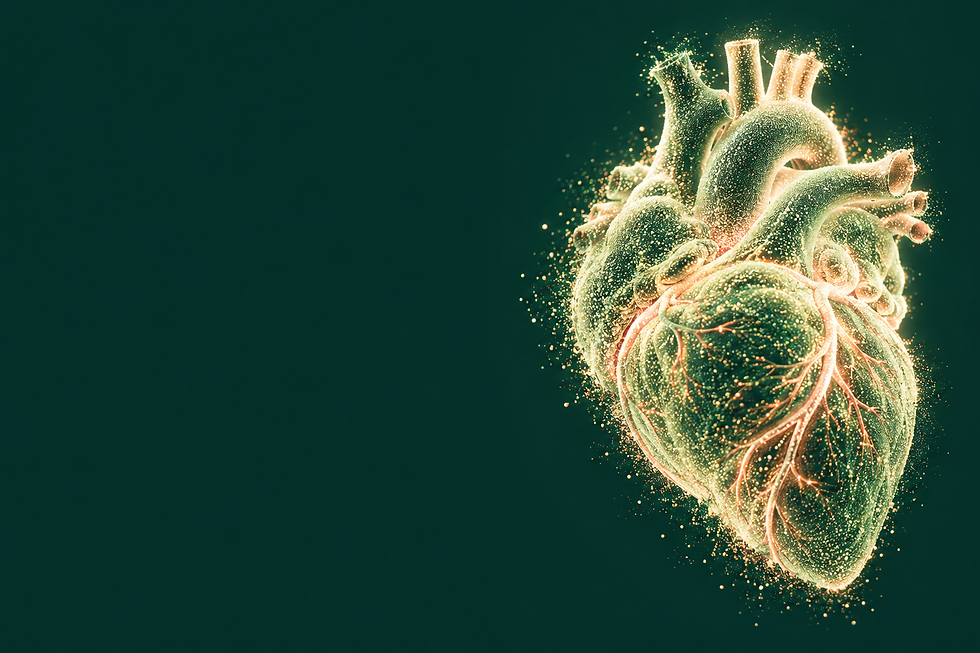
After a heart attack, injured heart muscle is replaced by scar tissue. We are exploring a different path: helping the adult heart activate its own regenerative processes.
Metabolic reprogramming.
Our approach targets succinate dehydrogenase (SDH) to reprogram cardiac metabolism. Preclinical research links this metabolic shift with heart-muscle renewal, new blood-vessel formation, and reduced fibrosis.
Mount Therapeutics is translating these discoveries into regenerative medicines, beginning with our lead program, MTX-101.
MTX-101.
PREPARING FOR IND-ENABLING STUDIES
MTX-101 is our first-in-class small-molecule candidate, being developed as an injectable therapy for cardiac regeneration following myocardial infarction.
The program targets succinate dehydrogenase (SDH) to shift cardiac metabolism and activate regenerative processes. Preclinical studies demonstrated heart-muscle renewal, revascularization, and reduced fibrosis.
Our goal: translate this biology into a regenerative therapeutic for people recovering from a heart attack.
Built on discovery.
FOUNDATIONAL RESEARCH
Our approach builds on research into the metabolic signals that govern cardiac regeneration.
A foundational study published in Circulation in 2021 demonstrated the therapeutic potential of metabolic reprogramming, resulting in adult cardiomyocyte proliferation, and heart regeneration.
This work helped establish the scientific rationale for exploring SDH inhibition as a regenerative strategy. Our publications provide the detail behind the approach.
The next chapter.
PARTNER WITH MOUNT
Moving a discovery toward patients takes shared expertise and a common purpose.
We welcome conversations with scientific collaborators and development partners who share our ambition to advance regenerative therapies for the injured heart.
Explore the science. Meet our team. Start a conversation.